

Quick answer: Understand important safety questions, oversight and red flags before considering a stem-cell intervention. The safest starting point is an evidence-based clinical conversation, not an assumption that any one procedure or screening package suits everyone. In Malaysia, the provider should explain the indication, risks and follow-up before treatment decisions are made.
Safety depends on the precise intervention
A stem-cell product is not automatically safe because cells come from humans or are labelled natural. Different cell sources, processing steps and administration routes introduce different risks. A programme advertised for many unrelated diseases deserves particular scrutiny. The correct starting point is to identify the diagnosis, the product and the evidence for that exact clinical use.
Possible risks worth discussing
Possible concerns include infection, immune reactions, contamination, unanticipated cell behaviour, procedure-specific harms and delays in established treatment. Risks differ between approved transplantation and experimental infusions. A provider should explain expected short- and long-term monitoring, what happens if an adverse effect occurs and how it will be reported.
The Malaysian regulatory context
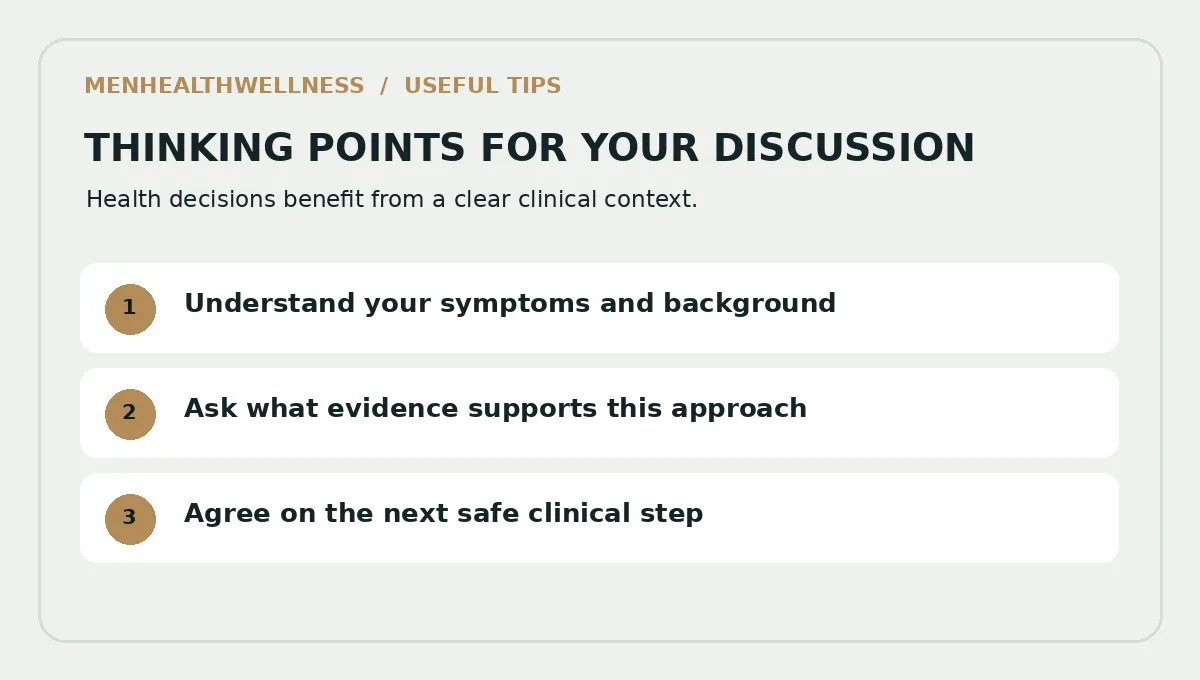
Malaysia has guidance addressing stem-cell and cell-based research and the regulation of cell and gene therapy products. Regulations are not proof that every commercialised service is effective. Ask a licensed provider to explain what authorisations, ethics review or clinical-trial arrangements apply to the particular proposed use.

Spotting marketing red flags
Be cautious about guarantees, universal rejuvenation promises, claims that no risks exist, missing product documentation or pressure to decide immediately. Before-and-after stories cannot substitute for controlled evidence. Even a sophisticated laboratory image does not tell you if a particular intervention benefits a patient.
Prepare a documented discussion
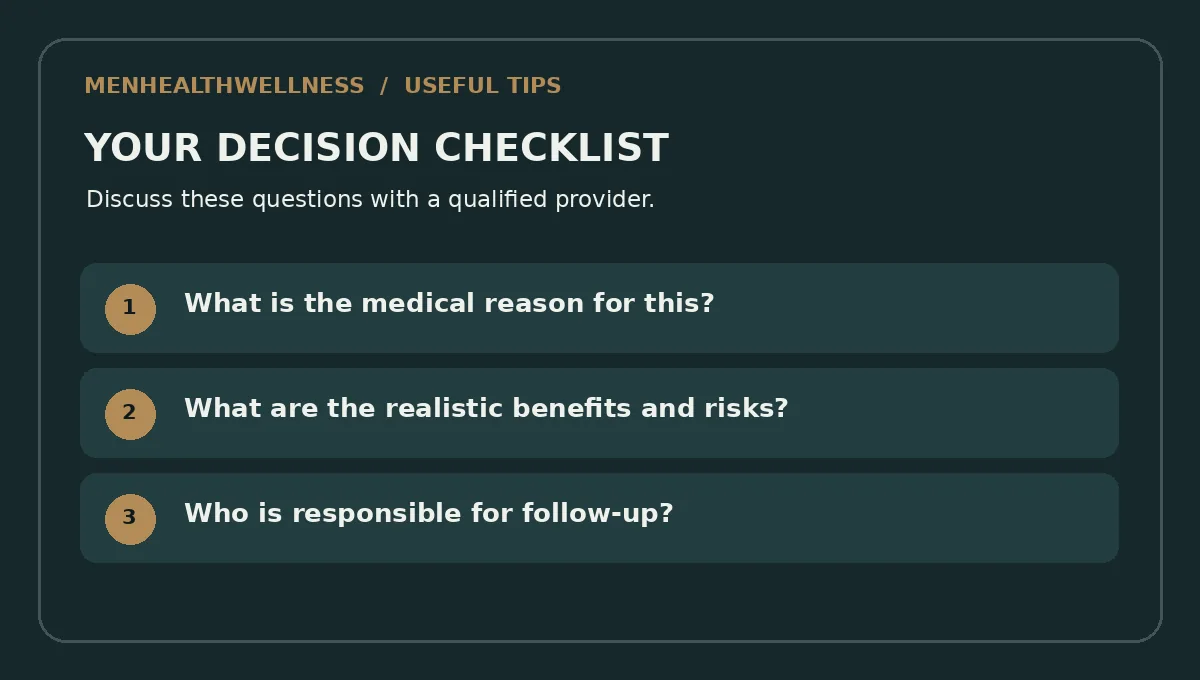
Keep copies of proposed product details, informed-consent materials, treatment plans, quotations and the doctor’s credentials. Request alternatives including no procedure, lifestyle change or established therapies. If important questions are unanswered, do not rush ahead.
What a coordinator should and should not do
An independent coordinator can help organise questions and provider introductions, but cannot establish safety through branding alone. Clinical eligibility and informed consent must come from appropriately qualified treating professionals.
Questions about research quality
A responsible discussion starts with the actual medical indication and the evidence for that precise intervention. Ask whether there are peer-reviewed human trials, how participants were selected, whether outcomes were compared with standard care and how long patients were followed. Results from cells used in one tissue or disease cannot be assumed to apply to unrelated conditions. Regulatory permission, ethical approval and scientific efficacy are distinct questions. If a provider cannot give an understandable account of these points, the information is not yet adequate for an informed choice.
Understanding consent and follow-up
Informed consent is a conversation rather than a signature on a form. A credible provider should explain foreseeable complications, uncertainty about long-term outcomes, realistic alternatives, the option not to proceed and where to seek help after an adverse event. Ask who keeps your records and what follow-up is included. If follow-up must happen after you return to another city or country, establish how results and complications will be communicated. Feeling rushed is a reason to slow the process, not to sign sooner.
Why bold marketing needs closer examination
Words such as cutting-edge, regenerative and personalised can sound reassuring, but do not define a clinically proven procedure. A laboratory-quality photograph cannot tell you whether a product was manufactured appropriately or whether an intended indication is supported. Testimonials are vulnerable to selection bias and changes that might have occurred without intervention. Look for transparent discussion of uncertainty as well as potential benefit. Someone offering only success stories and a high cell count has not answered the most important questions a prospective patient should ask.
Before making an appointment
Write down the main question about is stem cell therapy safe? malaysia guidelines explained you want answered, how long the concern has existed and any relevant changes in symptoms or medication. A useful consultation should leave you understanding the medical reasoning, not just holding a quotation. Ask the provider to explain the likely next step, whether there are lower-risk alternatives and what warning signs warrant attention sooner. If the proposed procedure is optional, allow time to review written information and consider whether a second opinion would help.
If you are comparing providers
Different clinics may describe offerings related to stem cell & regenerative medicine but use different tests, products, staff and clinical pathways. Confirm the identity of the actual treating facility and practitioner. Clarify which services are available, what assessment is required before a decision and whether the quoted fee covers aftercare. Avoid assuming that an advertisement, online enquiry form or coordinator can guarantee treatment eligibility. Written explanations and transparent qualifications are more useful than aggressive promotional deadlines.
A note about medical information online
Search results can help you learn vocabulary and prepare questions, but online material cannot establish a diagnosis for an individual person. Guidelines evolve, and studies may apply to a narrower population than their headlines suggest. Verify health claims against credible clinical sources and relevant Malaysian rules. If your symptoms are severe, suddenly worsening or unusual, seek medical care rather than waiting for an online consultation. This guide to is stem cell therapy safe? malaysia guidelines explained is educational and does not prescribe an individual treatment plan.