
Could Your Symptoms Be Caused by Dehydration?
Feeling dizzy after spending time outdoors, noticing dark urine, or struggling to keep drinks down? These can be signs of dehydration. In Malaysia's hot weather, sweating, exercise, fever, vomiting and diarrhoea can increase your fluid needs.
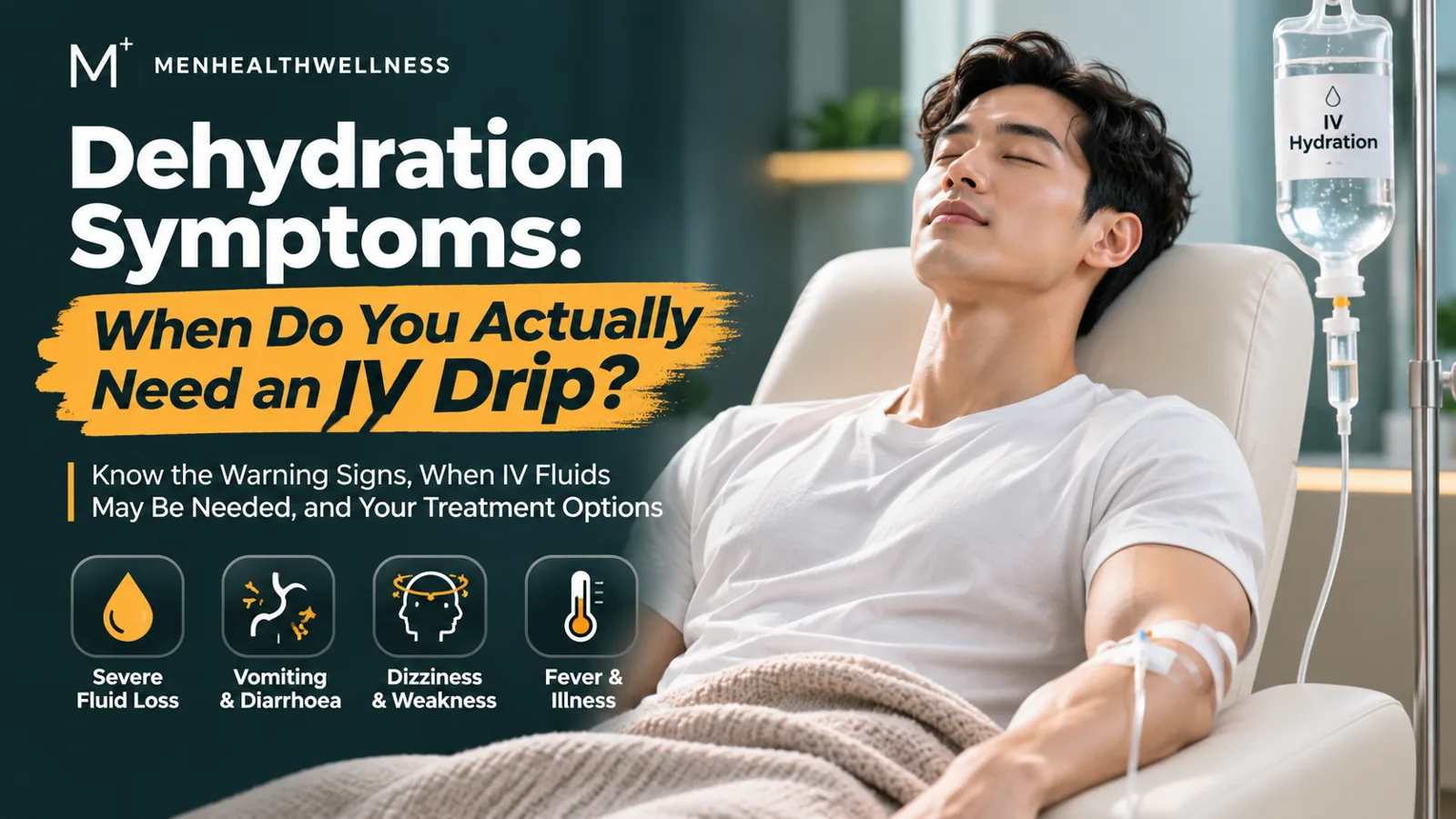
An IV drip is not automatically necessary for dehydration. Many people can recover by drinking fluids or an oral rehydration solution (ORS). Intravenous (IV) fluids may be needed when dehydration is severe or drinking enough is not possible. The right approach depends on the symptoms and a medical assessment.
What Are the Common Symptoms of Dehydration?
Dehydration happens when your body loses more fluid than it takes in. Common signs include:
- Feeling thirsty or having a dry, sticky mouth.
- Passing less urine than usual or noticing darker urine.
- Headache, tiredness or difficulty concentrating.
- Dizziness, particularly when standing up.
- Muscle weakness or feeling unusually drained.
These symptoms are not specific to dehydration. Dizziness and fatigue can also be linked to medicines, blood pressure changes and other health conditions. If symptoms continue despite drinking enough, seek medical advice.
For persistent tiredness that cannot be explained by fluid loss, see our Fatigue, Energy & Recovery guide.
What Causes Dehydration in Malaysia?
You may lose more fluids than usual during outdoor work, sports, travel or prolonged exposure to heat. Illnesses involving fever, vomiting or diarrhoea can also cause significant fluid and electrolyte losses.
Older adults and people taking certain medicines, including diuretics, may be more vulnerable. Some conditions, such as poorly controlled diabetes, can also increase fluid loss.
Do not assume all weakness in hot weather is simple dehydration. Heat-related illness can require urgent medical attention, even if you have already started drinking water.
IV Drip or Drinking Water: Which One Do You Need?
Mild Dehydration: Oral Fluids Are Usually Enough
If you are alert, able to swallow and can keep fluids down, drinking water may be sufficient for mild dehydration. Take regular sips, rest somewhere cool and monitor how you feel.
If you have diarrhoea or vomiting, oral rehydration solution (ORS) can help replace both water and salts lost from the body. Follow the product instructions or a healthcare professional's advice. Most uncomplicated cases do not need an IV drip.
When Might a Doctor Recommend IV Fluids?
IV fluids deliver a carefully selected fluid directly into a vein. A clinician may consider them when:
- Dehydration is severe or blood circulation is affected.
- Repeated vomiting makes oral rehydration unsuccessful.
- Significant fluid or electrolyte losses require monitored replacement.
- An illness or medical condition makes oral hydration unsuitable or insufficient.
The IV fluid type, amount and rate depend on the patient's condition. A clinician may check vital signs, hydration status and, when indicated, blood tests before treatment.
Warning Signs: When to Seek Urgent Medical Care
Do not use a routine wellness booking if you have signs of severe dehydration or serious illness. Seek urgent care if you have confusion, fainting, marked drowsiness, severe weakness, very little urine, or an unusually fast heartbeat with feeling faint. Persistent vomiting with inability to keep any fluids down also needs prompt assessment.
Emergency care may be necessary for heatstroke, shock or serious electrolyte problems. An IV drip package is not a substitute for emergency diagnosis and treatment.
What Happens During a Medical IV Hydration Assessment?
A doctor or appropriately qualified clinician will ask what symptoms you have, when they started, how much you have been drinking and whether you have diarrhoea, vomiting or fever.
They should also review relevant medical conditions and medication. If IV fluids are clinically appropriate, the healthcare team inserts a small cannula into a vein, selects the suitable solution and monitors your response.
IV therapy has risks, including bruising, infection, vein irritation, incorrect fluid or electrolyte balance, and fluid overload. People with heart or kidney conditions may need particular caution.
For more information about the difference between medically indicated IV treatment and elective wellness infusions, read our IV Wellness Coordination guide.
Can You Enquire About IV Hydration Packages in Malaysia?
Yes. If you are considering IV hydration or want to understand available options for a non-emergency concern, MenHealthWellness can help you enquire with licensed partner clinics in Malaysia.
We can assist with identifying the relevant consultation pathway and checking the best currently available partner-clinic package offers. Final prices, available services and suitability depend on the participating clinic and its medical assessment. MenHealthWellness does not administer IV fluids or decide whether you need them.
Enquire About IV Hydration Options and Partner Package Offers
Please share only a brief description of your enquiry through the contact form. Do not use it for urgent symptoms or send sensitive medical records through an unverified channel.
How Can You Reduce Your Risk of Dehydration?
Drink regularly throughout the day, particularly during outdoor activities in Malaysia's heat. Replace additional fluid when exercising or unwell, and consider ORS when gastrointestinal fluid losses occur.
Watch for changes in urine output and ongoing dizziness, but remember these signs alone cannot confirm the severity or cause of dehydration. Seek medical advice when symptoms are persistent, worsening or unexplained.
You can also explore our broader Health Screening information if an underlying health concern may be contributing.
Your Next Step: Assessment Before Treatment
The important question is not simply whether an IV drip is available, but whether you actually need one. Mild dehydration usually improves with oral fluids; severe dehydration can be dangerous and needs prompt professional care.
MenHealthWellness works with licensed independent healthcare partners to help readers explore appropriate consultations and current partner package offers, without promising a particular treatment or outcome.
Contact MenHealthWellness for a Private Health Review and Current Offers
*For non-urgent enquiries only. If you have severe symptoms, seek urgent medical care instead. This article is educational information, not individual medical advice.*