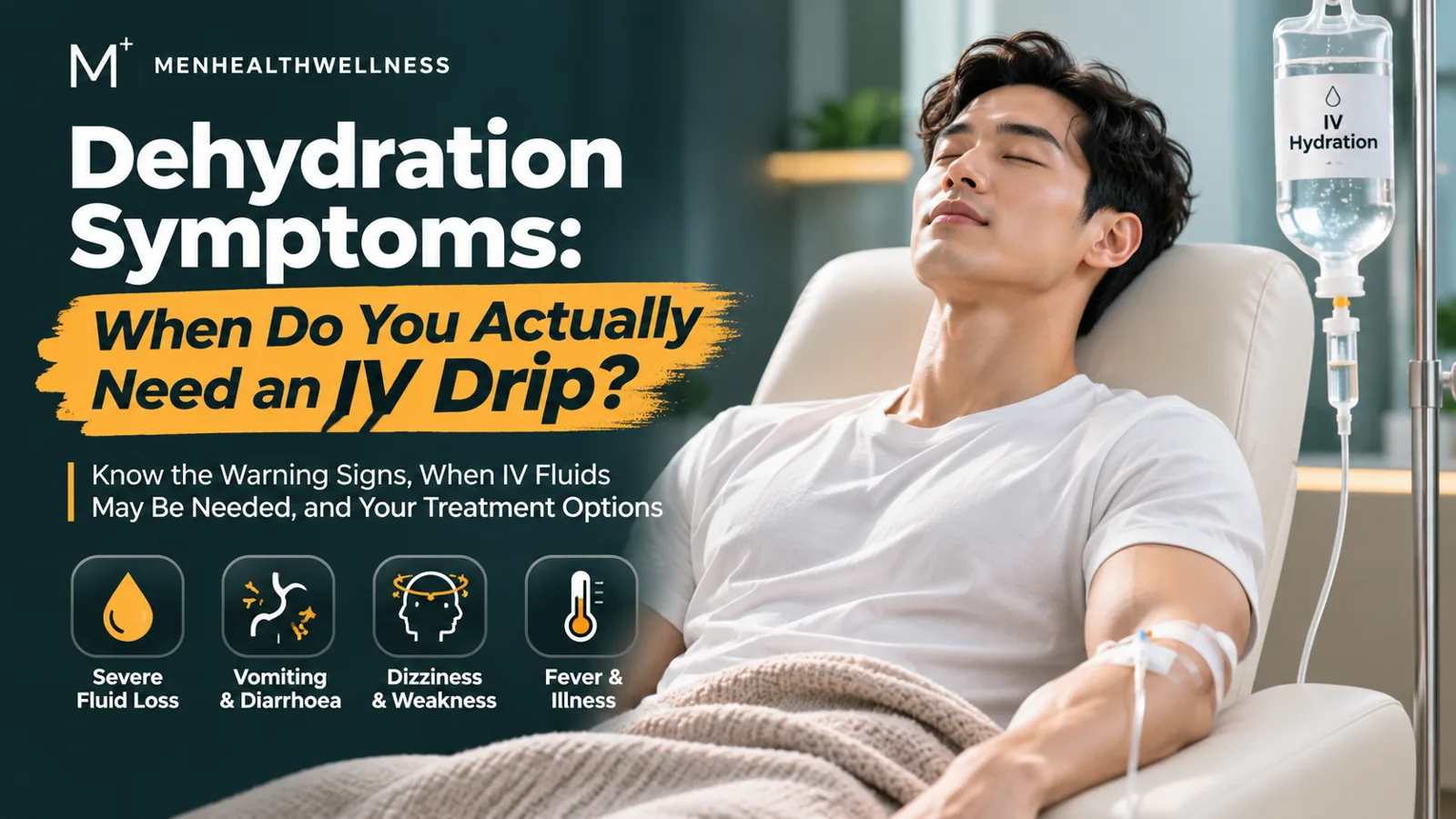
Quick answer: A careful look at alcohol, antioxidants, hydration and the evidence behind detox claims. The safest starting point is an evidence-based clinical conversation, not an assumption that any one procedure or screening package suits everyone. In Malaysia, the provider should explain the indication, risks and follow-up before treatment decisions are made.
What sellers mean by liver detox
Liver detox drip is a marketing phrase, not a standard diagnosis or a single clinically validated treatment. Different businesses may describe infusions with saline, vitamins, glutathione or other ingredients. A list of ingredients cannot tell you whether an infusion prevents liver damage.
How the liver actually works
The liver continuously processes substances and participates in alcohol metabolism. There is no established evidence that a routine wellness IV drip removes alcohol-related toxins faster or reverses chronic alcohol injury. The safest response to risky drinking patterns is to reduce or stop consumption with professional support when needed.
Hydration versus liver treatment
A person who is clinically dehydrated may need oral or intravenous fluids depending on severity. That is different from treating alcohol-related hepatitis, fatty liver or fibrosis. Feeling better after fluids does not prove liver repair.

Risks of unnecessary infusions
Even when ingredients sound familiar, IV treatment can cause infection, fluid overload, allergic reactions or complications at the injection site. People with kidney, heart or other medical conditions may face additional concerns. Administration and medical indication matter.
Better ways to assess liver health
Discuss alcohol intake honestly with a clinician, review medicines and consider indicated liver blood tests and fibrosis assessment. Normal enzymes do not exclude all disease. If alcohol dependence is possible, stopping abruptly may need medical supervision to avoid withdrawal complications.
How to evaluate advertising claims
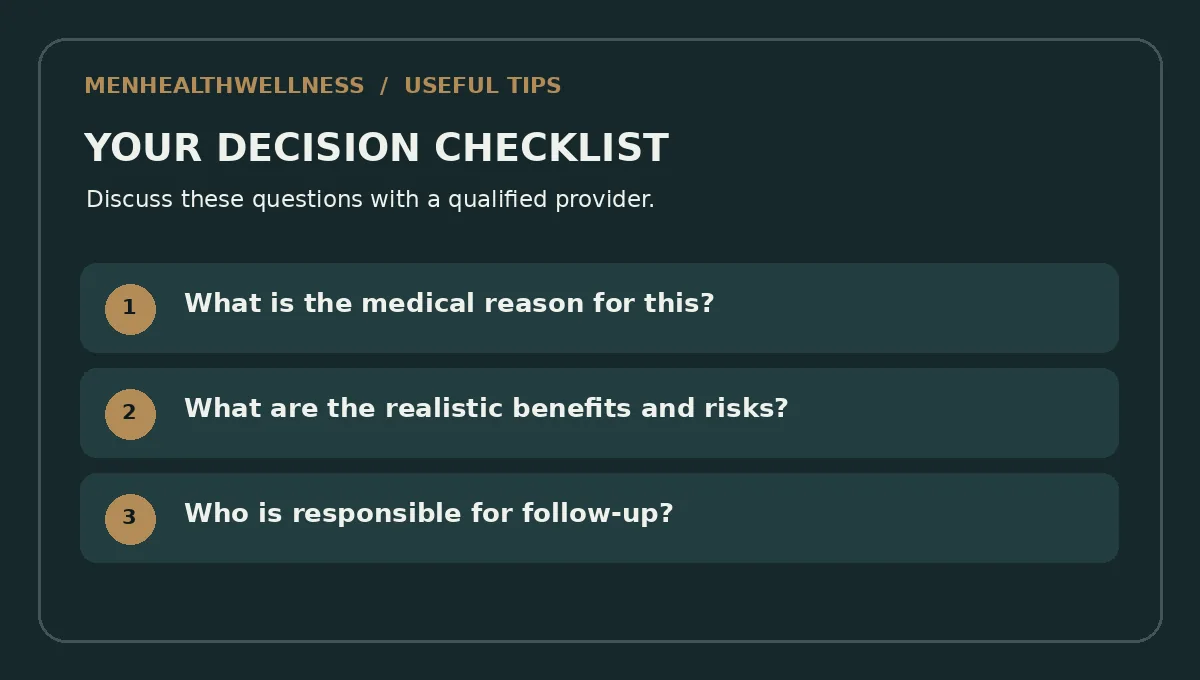
Ask what outcome a drip is supposed to improve, what clinical trial supports that outcome and whether the proposed service has a genuine medical indication. Treat detox promises and guaranteed liver protection as warning signs.
Know the actual purpose of treatment
The word intravenous describes how something is delivered, not whether it is beneficial. Hospitals use IV fluids and medications for specific reasons, but wellness packages combine different ingredients and claims. Before any infusion, ask which problem is being treated and why an oral option would not meet the same need. A medical history and ingredient review matter because heart, kidney and other conditions can change risk. Even if a person feels refreshed afterward, that subjective improvement does not establish that the intervention treats chronic fatigue or prevents liver disease.
Understanding safety in practical terms
The provider should be able to explain who prescribes or authorises the infusion, who inserts the line, what is in the bag, how the equipment is handled and how adverse reactions are managed. Allergies, medication interactions, fluid balance and potential infection deserve attention. A comfortable room is not a substitute for appropriate clinical oversight. Ask whether the intervention is needed at all. When simple hydration, sleep, diet or medical evaluation is more suitable, a trustworthy provider should be willing to say so.
Evidence and marketing are not interchangeable
Claims involving energy, detoxification, anti-ageing and immunity are sometimes bundled together as though one product can solve every concern. Those outcomes require their own high-quality evidence. Ingredients with established medical roles in deficiency states may not offer added benefit when infused into otherwise healthy people. Testimonials and influencer promotions cannot answer questions about comparative benefit or harms. Seek written ingredient information, a clear clinical indication and a realistic discussion of limits before deciding on any elective infusion programme.
Before making an appointment
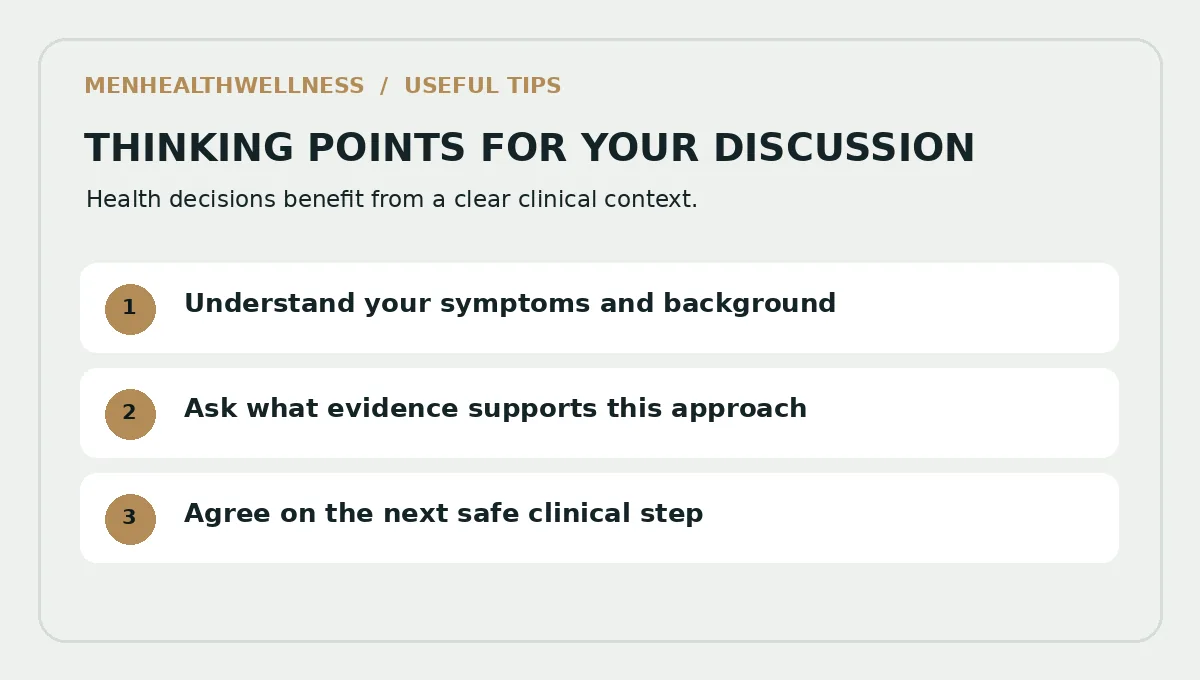
Write down the main question about does a liver detox iv drip actually work? you want answered, how long the concern has existed and any relevant changes in symptoms or medication. A useful consultation should leave you understanding the medical reasoning, not just holding a quotation. Ask the provider to explain the likely next step, whether there are lower-risk alternatives and what warning signs warrant attention sooner. If the proposed procedure is optional, allow time to review written information and consider whether a second opinion would help.
If you are comparing providers
Different clinics may describe offerings related to liver health but use different tests, products, staff and clinical pathways. Confirm the identity of the actual treating facility and practitioner. Clarify which services are available, what assessment is required before a decision and whether the quoted fee covers aftercare. Avoid assuming that an advertisement, online enquiry form or coordinator can guarantee treatment eligibility. Written explanations and transparent qualifications are more useful than aggressive promotional deadlines.
A note about medical information online
Search results can help you learn vocabulary and prepare questions, but online material cannot establish a diagnosis for an individual person. Guidelines evolve, and studies may apply to a narrower population than their headlines suggest. Verify health claims against credible clinical sources and relevant Malaysian rules. If your symptoms are severe, suddenly worsening or unusual, seek medical care rather than waiting for an online consultation. This guide to does a liver detox iv drip actually work? is educational and does not prescribe an individual treatment plan.