
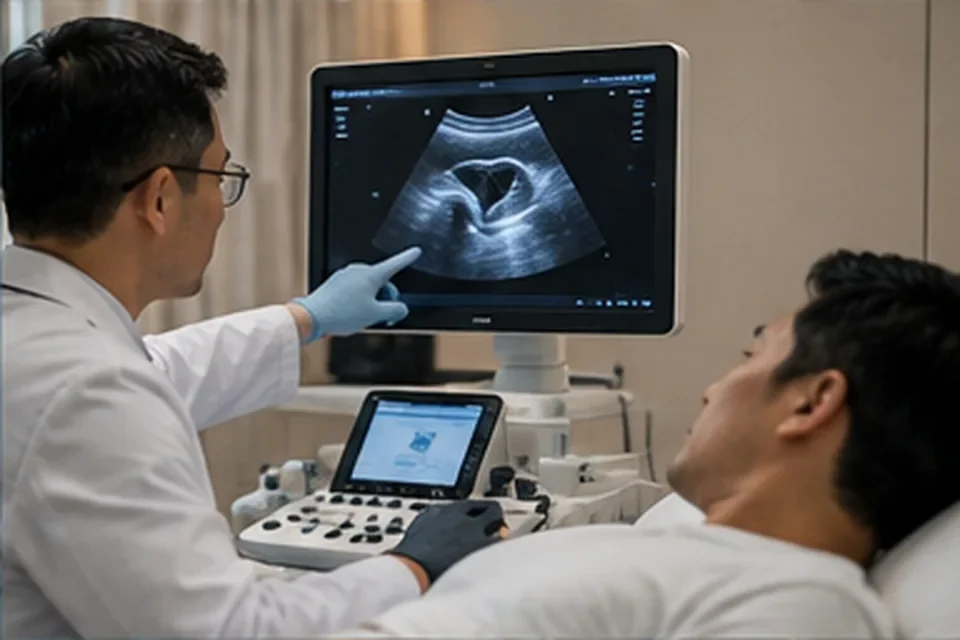
Quick answer: How liver blood tests and elastography answer different clinical questions. The safest starting point is an evidence-based clinical conversation, not an assumption that any one procedure or screening package suits everyone. In Malaysia, the provider should explain the indication, risks and follow-up before treatment decisions are made.
Two different types of information
A liver function test is a group of blood measurements. FibroScan is a form of transient elastography that measures liver stiffness and may estimate fat under certain conditions. Neither is an all-purpose verdict on liver health.
What blood tests can show
Markers such as ALT and AST can indicate potential liver-cell injury; bilirubin, albumin and other measurements provide additional information. Patterns must be interpreted alongside symptoms, medicines and medical history. A normal result cannot exclude every liver condition.
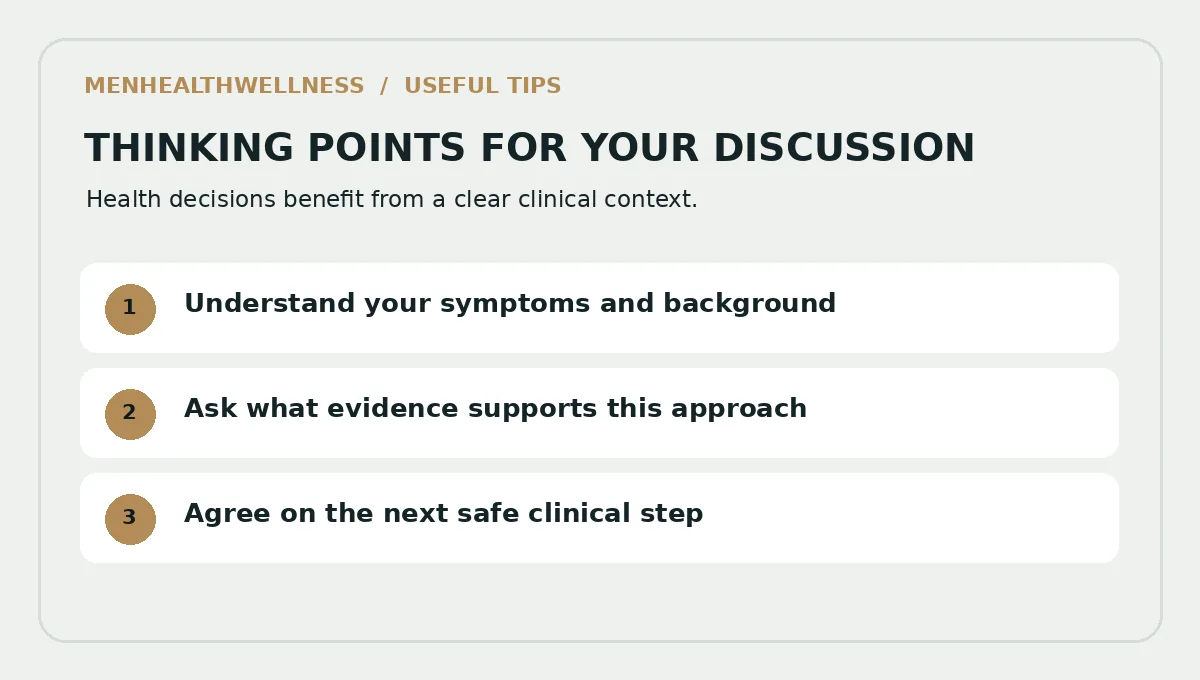
What FibroScan contributes
Higher liver stiffness may suggest fibrosis, but inflammation and other factors can affect measurements. Clinicians consider the quality of the reading, other test results and the clinical picture. A single stiffness figure should not be interpreted in isolation.
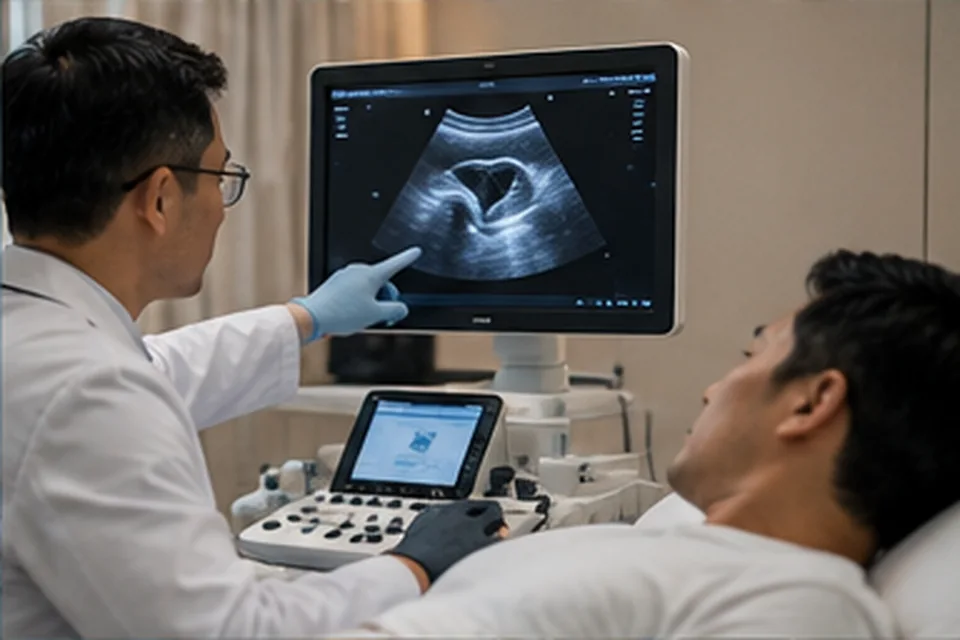
Which comes first?
There is no universal sequence for everyone. History, physical examination, blood results and risk scores may guide whether elastography is needed. Some people require additional investigations; others may not need FibroScan at all.
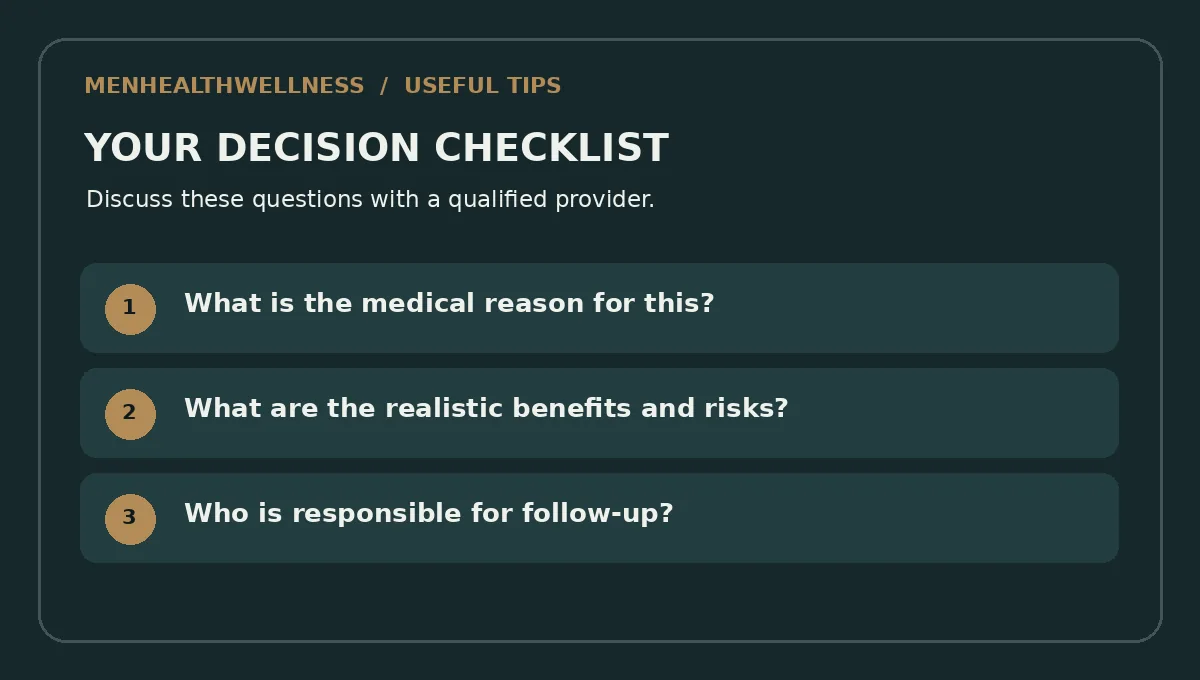
Questions to ask before booking
Ask what clinical question each test will answer, whether fasting or other preparation is required and who will interpret the results. A package should have a follow-up plan for unexpected findings.
The bigger liver-health picture
Alcohol use, metabolic risk, viral hepatitis and medicines all matter. Screening should support a clear decision and follow-up rather than generating attractive reports without clinical context.
Alcohol, metabolism and risk
Liver concerns do not depend only on whether someone drinks alcohol. Diabetes, abdominal obesity, viral hepatitis, medication and other conditions may also matter. Likewise, social drinking patterns need to be described honestly rather than estimated from one unusually heavy evening. A medical professional can put these factors together with personal and family history. This context helps determine whether screening is appropriate and whether an abnormal result points toward one of several possible causes. A label such as liver detox is not a substitute for this clinical assessment.
What a useful follow-up looks like
A responsible screening pathway includes an explanation of what the test measures, how a result will be interpreted and what happens if it is unexpected. A mildly abnormal liver enzyme value does not necessarily mean severe disease, and normal measurements do not exclude every form of liver injury. Some patients may need repeat blood tests, assessment of metabolic health or imaging; others may simply need risk-factor discussion. It is worth asking in advance which provider will review the findings and who will arrange follow-up if necessary.
Why prevention is different from recovery marketing
The strongest liver-health message is not that a quick treatment resets the body after excessive drinking. There is no routine infusion or supplement proven to make risky alcohol consumption safe. Meaningful prevention includes reducing harmful alcohol exposure, managing metabolic risks and discussing symptoms or risk factors early. People who drink heavily every day may require medical support to reduce or stop, because withdrawal can be dangerous. Compassionate, practical care is more useful than shame, vague promises or costly packages advertised as a universal cleanse.
Before making an appointment
Write down the main question about fibroscan vs liver function test you want answered, how long the concern has existed and any relevant changes in symptoms or medication. A useful consultation should leave you understanding the medical reasoning, not just holding a quotation. Ask the provider to explain the likely next step, whether there are lower-risk alternatives and what warning signs warrant attention sooner. If the proposed procedure is optional, allow time to review written information and consider whether a second opinion would help.
If you are comparing providers
Different clinics may describe offerings related to liver health but use different tests, products, staff and clinical pathways. Confirm the identity of the actual treating facility and practitioner. Clarify which services are available, what assessment is required before a decision and whether the quoted fee covers aftercare. Avoid assuming that an advertisement, online enquiry form or coordinator can guarantee treatment eligibility. Written explanations and transparent qualifications are more useful than aggressive promotional deadlines.
A note about medical information online
Search results can help you learn vocabulary and prepare questions, but online material cannot establish a diagnosis for an individual person. Guidelines evolve, and studies may apply to a narrower population than their headlines suggest. Verify health claims against credible clinical sources and relevant Malaysian rules. If your symptoms are severe, suddenly worsening or unusual, seek medical care rather than waiting for an online consultation. This guide to fibroscan vs liver function test is educational and does not prescribe an individual treatment plan.